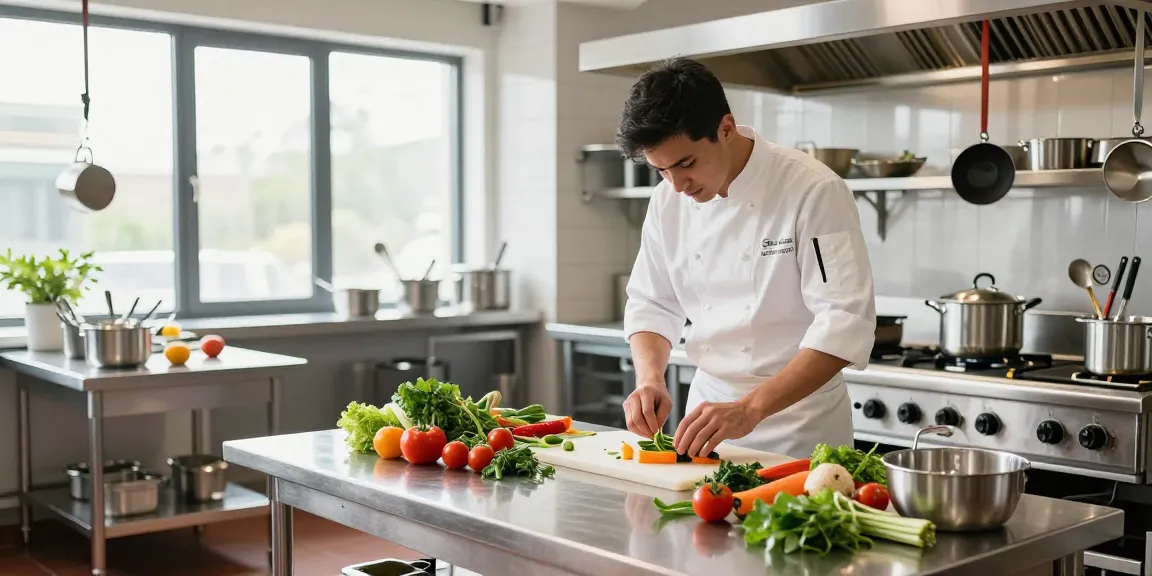
Understanding the Role of Stainless Steel Kitchen Tables in Food Service
In the bustling environment of commercial kitchens, efficiency and hygiene are paramount. Stainless steel kitchen tables are not only a practical choice for food preparation but also enhance the overall functionality of kitchen operations. Their durability, resistance to corrosion, and ease of cleaning make them a staple in many food service establishments. When exploring options, Stainless Steel Kitchen Tables provide comprehensive insights into the right products for any commercial kitchen.
Benefits of Stainless Steel in Kitchen Environments
Stainless steel is preferred in professional kitchens for several reasons:
- Durability: Stainless steel is incredibly strong and can withstand the rigors of daily use in busy kitchens.
- Hygiene: The non-porous surface does not harbor bacteria or other pathogens, making it easy to maintain food safety standards.
- Temperature Resistance: Stainless steel can handle extreme temperatures, whether from hot pots or cold food items.
- Easy Maintenance: Cleaning is effortless with a simple wipe-down, and it doesn’t require special cleaning agents.
How Stainless Steel Tables Enhance Hygiene and Sanitation
The importance of sanitation in food service cannot be overstated. Stainless steel tables help in maintaining a clean workspace due to their smooth surface, which can be easily sanitized. Additionally, they inhibit the growth of harmful pathogens, unlike wooden or plastic surfaces that can develop scratches and grooves over time. Regular cleaning with appropriate detergents keeps these surfaces clear of contaminants, ensuring food served is safe for consumption.
Comparative Analysis: Stainless Steel vs. Other Materials
When considering materials for kitchen tables, it’s crucial to understand the advantages of stainless steel compared to alternatives such as plastic or wood.
- Plastic: While lightweight and sometimes cheaper, plastic can warp and wear down over time, creating uncleanable surfaces.
- Wood: Although aesthetically pleasing, wooden tables require more maintenance and are prone to harboring bacteria due to their porous nature.
- Stainless Steel: Superior in terms of hygiene, durability, and ease of cleaning, making it the preferred choice for professionals.
Design Trends in Commercial Kitchen Tables for 2026
The commercial kitchen landscape is evolving, and so are the designs of kitchen tables. Current trends reflect a shift towards multifunctionality and smart technology integration, catering to the needs of modern chefs and kitchen staff.
Innovative Designs: Balancing Functionality and Aesthetics
Today’s kitchen tables are designed not just for function but also to fit into the overall aesthetic of the restaurant. Contemporary designs often incorporate rounded edges for safety and seamless surfaces that encourage cleanliness and efficiency. Various heights and configurations allow for customized space management, ensuring that every inch of the kitchen is utilized effectively.
Adaptable Configurations for Modern Kitchens
Flexibility is key in the fast-paced environment of a commercial kitchen. Tables that can easily be reconfigured for different tasks—be it food prep, plating, or washing—are increasingly popular. Modular designs allow kitchens to adapt layouts based on menu changes or service demands, enhancing overall efficiency.
Integration of Smart Technology in Kitchen Furniture
With the rise of technology in food service, many tables are now equipped with smart features. These include built-in scales for precise measurements, temperature gauges for safety, and even charging ports for devices. As kitchens become more technologically advanced, integrating these features into table designs is becoming essential.
Maximizing Efficiency with Stainless Steel Kitchen Tables
Efficiency in the kitchen isn’t just about the equipment; it’s about the layout and workflow as well. Understanding how to strategically use stainless steel tables can dramatically improve kitchen operations.
Workflow Optimization: Layout Strategies for Kitchen Success
A well-planned kitchen layout can minimize unnecessary movement and streamline workflow. Placing stainless steel tables strategically near cooking equipment, plating areas, and cleaning stations reduces the time staff spends moving between tasks, maximizing productivity. Consider creating designated zones for prep, cooking, and assembly to further enhance efficiency.
Time-Saving Tools: Essential Utensils to Pair
Complementing stainless steel tables with the right utensils can save considerable time during service:
- Ladles and Whisks: Essential for efficiently serving and mixing, especially in high-volume environments.
- Thermometers: Ensure that food is prepared at the correct temperatures, enhancing safety and quality.
- Measuring Cups: Guarantee precision in portions, which is vital in maintaining consistency in dishes.
Real-World Examples of Successful Kitchen Designs
Many successful restaurants have embraced stainless steel tables as part of their operational strategy. For instance, high-end restaurants often utilize these tables not only for meal prep but also as central plating and service stations. This dual function maximizes space and encourages efficient service flow, catering effectively to busy dining hours.
Future Trends in Commercial Kitchen Equipment
As the food service industry continues to evolve, so too does the technology and design of kitchen equipment. Staying ahead in this fast-paced environment requires awareness of emerging trends that impact operational efficiency and sustainability.
Sustainability in Kitchen Furniture: Choosing Eco-Friendly Options
With a growing focus on sustainability, many kitchen equipment suppliers are offering eco-friendly options. Stainless steel, being recyclable and durable, aligns with these sustainability goals. Furthermore, energy-efficient appliances reduce overall kitchen energy consumption, appealing to both eco-conscious operators and diners.
Predictions for Kitchen Technology Advancements by 2026
The next few years promise significant advancements in kitchen technology. From automated cooking systems to AI-driven inventory management, the kitchen of the future will be more connected and efficient than ever. Innovations in food safety technology will also ensure that kitchens meet increasingly stringent health regulations.
Impact of Energy Efficiency on Kitchen Operations
Energy efficiency is not just about cost savings; it’s a critical factor in operational reliability. Kitchen equipment that consumes less energy not only reduces costs but also lowers carbon footprints. Investing in energy-efficient stainless steel tables and appliances enhances both financial viability and environmental responsibility.
Frequently Asked Questions
Why choose stainless steel kitchen tables over other materials?
Stainless steel kitchen tables offer superior durability, hygiene, and resistance to temperature changes compared to other materials, making them ideal for busy commercial kitchens.
How can kitchen tables improve operational efficiency?
Well-designed kitchen tables facilitate smooth workflows by providing dedicated spaces for food preparation, cooking, and clean-up, reducing unnecessary movement and time wastage.
What maintenance is required for stainless steel kitchen tables?
Regular cleaning with mild detergent and warm water is typically sufficient. Avoid abrasive cleaners that can scratch the surface, and occasionally sanitize to maintain hygiene.
Are there any cost advantages to using stainless steel?
While the initial investment may be higher, the durability and low maintenance costs of stainless steel yield long-term savings, making them a cost-effective option over time.
What are the latest design trends for commercial kitchens?
Recent trends emphasize modular designs, smart technology integration, and aesthetics that blend function with style, catering to both operational needs and the dining experience.